Making Houi and Kesa Last: An Approach to Washing and Repair
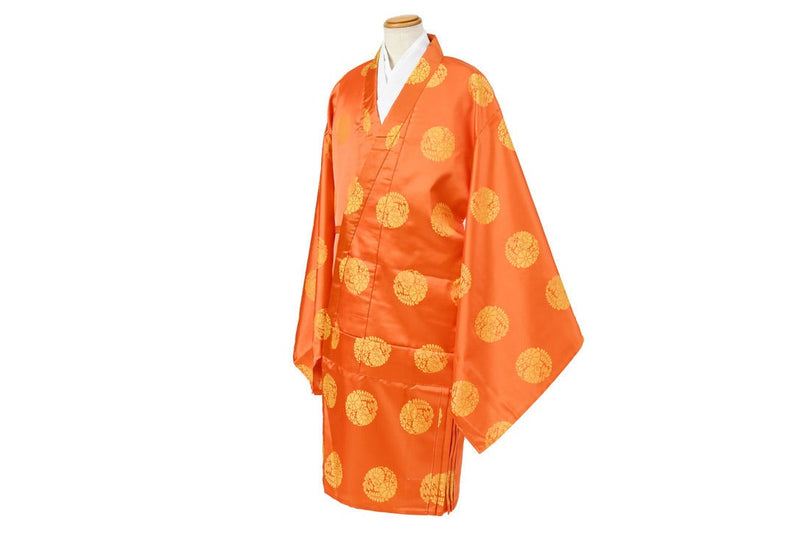
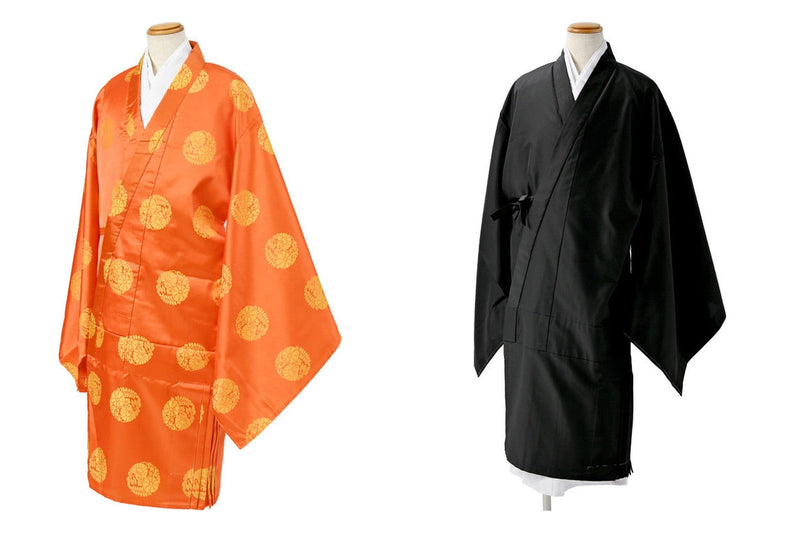
Houi (Buddhist robes) and Kesa are vestments that support daily duties and important services. Even when soiling or wear begins to concern you, you may find yourself unsure: Is it all right to wash this at home? Can it be repaired? By when should it be handed in?
The right care depends not only on the fabric but also on the tailoring, the lining, the cords, embroidery, gold thread, and how the piece has been used up to now. At Naoshichi Houiten, we do not simply take in pieces for washing. We examine each piece individually and recommend care intended to help you continue using it for years to come.
Houi and Kesa are not disposable.
Through washing and repair, we seek to carry each piece, and the handwork that went into it, into the years ahead. This is the approach Naoshichi holds to.
What to Check Before Washing at Home
Pieces may share the name "Houi" or "Kesa" and still differ in material and tailoring. Please do not decide that a piece is washable from the fabric alone; first check the care label and the guidance you received when you bought it. For pieces with no label, pieces of unknown material and older pieces, please consult a Houi shop before washing.
Hakue, Juban, Tabi and Similar Items
Items whose care label permits home laundering can, in some cases, be washed at home. To avoid loss of shape and shrinkage, choose the detergent, water temperature and wash cycle that match the label.
Fuho, Kanne, Jikitotsu, Kairyofuku, Hakama and Similar Items
Even when the fabric is synthetic, the construction as a whole has to be taken into account, including the pleats, cords, lining and interfacing. Please consult us before washing these at home.
Pure Silk Houi and Kesa, Kinran (Gold Brocade) and Embroidered Pieces
Please avoid washing these in water, spot-cleaning them or using store-bought stain removers, and leave them with us just as they are.
Pieces of Unknown Material or History
Even a test on an inconspicuous spot can cause discoloration or ring marks. Please consult us, and include photographs.
With ironing, too, the suitable method depends on the tailoring as well as the material. Follow the care label; for areas where you are worried about shine or distortion, and for pleated Houi and Hakama, please do not force them into shape but leave them with us.
Attending to Damage While It Is Still Small
Loose threads, slack cords, pleats that have lost their shape, and small scuffs or holes can spread with repeated wearing. Checking the whole piece when it is washed, and putting right whatever needs attention early, can in some cases avoid major re-tailoring.
- Stains from sweat and skin oils; soiling at the collar and cuffs
- Seams coming undone; loose cords or rings
- Abrasion at the hem or along the folds; places where the fabric has worn thin
- Holes from incense; stains from candle wax, food or drink
- Damage to the lining; changes in measurements or in how the piece feels when worn
Pulling a loose thread, cutting around a hole, or rubbing hard at wax that has stuck to the fabric can make the damage worse. If possible, leave the piece as it is and tell us when and how the soiling or damage occurred.
We Consider Washing and Repair Piece by Piece
Caring for Houi and Kesa is more than removing soiling. For each piece left with us, we check the material, tailoring, soiling and damage, and combine specialist washing and stain removal, sewn repairs and finishing as needed.
Whether repair comes before or after washing also depends on the condition of the piece. Naoshichi Houiten acts as the point of contact, bringing together the specialists who do the washing and the craftspeople who know how Houi and Kesa are tailored, and works out the method that suits the piece.
When to Think About Care
Before the Seasonal Change of Robes or Long-Term Storage
When a piece is stored for a long time with sweat or soiling still in it, stains or discoloration can appear later. Please check the condition of seasonal Houi before putting them away.
After Wearing for a Service or Event
Even after a single wearing, a piece may have absorbed sweat, depending on how long it was worn and on the season. The longer it will be until the next wearing, the more reassuring an early check is.
When You Notice Soiling or Damage
Holes from incense, candle wax, wetting from rain, and food or drink stains can change with the passage of time or with the wrong treatment. Rather than hurrying to remove them, please consult us as soon as you can.
Cost and Turnaround Time
The cost depends on the type of item, its material and size, the extent of the soiling and damage, and the repairs required. In some cases we can give a rough assessment from photographs, but we will confirm the details after inspecting the actual piece.
For the items we accept for washing and repair, and for current prices, please see our washing and repair price guide.
Turnaround time also varies with the work involved and with the pieces we have in hand at the time. If you have a date on which you plan to use the piece, please tell us when you first get in touch. We proceed once you have reviewed the estimate and the work to be done.
From First Inquiry to Return
- Consultation by photo
- Please send us photographs of the whole piece and of the areas that concern you, by LINE. It does not matter if you do not know the name of the item or its material.
- Shipping and receipt
- To protect the piece from getting wet in transit, wrap it in a bag or the like and send it in a box. Enclosing a note with the date you plan to use it and any points that concern you helps our checks go smoothly.
- Inspection and proposal
- We examine the piece itself and let you know the washing and repair methods, the cost and the turnaround time. Work begins once we have your agreement.
- Care and final check
- We carry out the washing, repair and finishing suited to the piece, check its condition and return it to you.
See the shipping address and detailed instructions for making a request
Care for Pieces Tailored by Other Shops
We examine not only pieces purchased from Naoshichi Houiten but also Houi and Kesa tailored by other shops, Kesa handed down from a predecessor, and pieces that have been in storage for a long time. Tailoring and handling differ by tradition and by item, so please let us begin by checking the piece as it is now.
In addition to Houi and Kesa, you may also consult us about care and repair for Hangesa, Shikisho, Ryaku-kataginu, Uchishiki, Mizuhiki, Shitagake, Maku, Bukki, kimono, obi and other items, depending on the work involved.
Questions We Are Often Asked
Can I request care for just one piece?
Yes. We accept requests for even a single piece. If you are leaving several pieces with us together, please also tell us what concerns you about each one.
I do not know the material or the name of the item
Whatever you do know is enough. If you send photographs of the whole piece, the reverse side, the cords and lining, and any areas that concern you, they will give us something to go on.
Can a badly torn Kesa be repaired?
It depends on the extent of the damage and the condition of the fabric. As well as repairs that respect the original appearance, we may be able to propose reinforcement, partial re-tailoring and other approaches. We make that judgment after first examining the piece itself.
May I take it to a cleaner near me?
Depending on the item, a cleaner may be able to handle it. However, Houi and Kesa have their own distinctive shapes, pleats, cords and interfacing, and can call for knowledge different from that needed for ordinary clothing. Before placing a request, please ask about the cleaner's experience with Houi and Kesa and about the finishing method.
To Go On Using a Valued Piece
Houi and Kesa that have been cared for over the years carry traces of the tailor’s work and of the years they have been worn. Rather than treating a new piece as the only answer, we consider with you the options of washing, mending and re-tailoring, according to the condition of the piece.
It is fine to get in touch while you are still unsure whether a piece can be washed or whether it can be mended. Please consult Naoshichi Houiten, and include photographs.
Ask about care for Houi and Kesa on LINE
In Gassho
More on Care
Complete guide to care / Storage after wearing and at the change of season / Checks and preparation before a service
We accept orders from outside Japan.
Ordering from outside Japan | Contact us (we reply in English)